A restroom complaint usually starts small. Empty soap. Wet floors. A dispenser that jams every other day. Then it turns into a bigger operational problem – more staff time, more supply waste, more complaints, and in some settings, more risk. A strong commercial restroom maintenance guide helps prevent that slide by giving facility teams a clear, workable standard for cleanliness, safety, and supply control.
For office managers, warehouse operators, public facility supervisors, and janitorial teams, restroom maintenance is not just about appearance. It affects employee confidence, visitor perception, infection-control practices, and day-to-day efficiency. The right plan keeps the room clean, stocked, and functional without overcomplicating the work or driving up costs.
What good restroom maintenance actually requires
Many facilities treat restrooms as a simple cleaning task. In practice, they are one of the most sensitive areas in a building because they combine heavy traffic, moisture, touchpoints, odors, and consumable use in one space. That means maintenance has to cover more than wiping surfaces.
A reliable program has four parts working together: routine cleaning, touchpoint disinfection, supply management, and equipment performance. If one part falls behind, the others suffer. A restroom can be freshly cleaned and still create complaints if the hand soap is empty or the towel dispenser is broken.
The frequency depends on traffic and facility type. A small administrative office may need light service once or twice a day. A warehouse restroom used across shifts or a public-facing facility may need checks multiple times during the day. There is no one schedule that fits every building. The best schedule is based on actual use, not assumptions.
Build a commercial restroom maintenance guide around traffic patterns
The most common maintenance mistake is setting one cleaning standard for every restroom in the building. A front office restroom, a staff locker room restroom, and a customer-facing restroom often have very different usage patterns. If the same schedule is applied to all three, one area gets overserviced while another falls behind.
Start by grouping restrooms by traffic level, user type, and hours of operation. Then assign service intervals that match reality. High-traffic restrooms need more frequent inspection for paper replenishment, soap levels, floor moisture, and fixture cleanliness. Lower-traffic spaces may need less frequent checks, but they still require consistent standards.
This approach saves labor and helps control product usage. It also gives managers a better way to forecast supply needs. When maintenance teams know which restrooms consume more towels, tissue, and hand soap, purchasing becomes more accurate and less reactive.
Focus on touchpoints, floors, and fixture condition
Toilets, urinals, sink handles, stall latches, grab bars, dispensers, and door hardware should be treated as core touchpoints. These areas need consistent attention because they affect user confidence more than almost anything else in the room. If they look neglected, people assume the whole restroom is neglected.
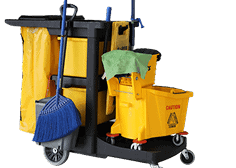
Floors matter just as much. A clean but wet floor can quickly become a safety issue. In many facilities, floor problems come from splash zones around sinks, leaking fixtures, poor mat placement, or mopping methods that leave too much moisture behind. A maintenance plan should address the source, not just the symptom.
Fixture condition is another factor that gets overlooked. Cracked dispensers, loose toilet seats, stained caulking, and slow drains all make a restroom feel dirtier than it is. These are maintenance issues, not just cleaning issues, and they should be tracked that way.
Product selection matters more than most teams think
A commercial restroom maintenance guide is only as strong as the products behind it. Using the wrong chemicals, poor-quality paper, or unreliable dispensers creates extra labor and inconsistent results. This is where many facilities spend more than they need to without realizing it.
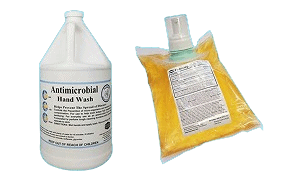
For example, a lower-cost paper product may create more frequent refills, more dust, or more clogging. A soap that does not dispense consistently can lead to overuse or user frustration. A disinfectant that is not appropriate for the surfaces in the room can damage finishes or fail to support the cleaning standard you need.
The goal is not to buy the cheapest option or the most aggressive product. It is to choose solutions that fit the environment, traffic level, dispenser type, and maintenance capacity of the facility. In a humid climate like South Florida, odor control and moisture management may need more attention than they would in other regions. That is why practical product guidance matters.
Dispensers are part of the maintenance system
Dispensers are often treated as an afterthought, but they shape both labor efficiency and user experience. A good dispenser reduces waste, controls portioning, and makes replenishment easier. A poor one causes jams, overconsumption, and repeated service calls.
Facilities with older or mismatched dispensers often deal with more inconsistency than they need to. Standardizing dispenser types across a building or group of sites can simplify ordering, training, and restocking. It also reduces the temptation to force incompatible refills into the wrong units, which usually creates more waste and frustration.
This is one reason many facility managers value hands-on supplier support. When a distributor helps evaluate the space, recommend dispenser options, and oversee installation, the maintenance plan becomes easier to sustain.
Odor control needs a root-cause approach
Odor complaints are common, and air fresheners alone rarely solve them. In most commercial restrooms, recurring odor comes from one or more of the following: drain buildup, grout contamination, porous surfaces, urine around fixtures, inadequate ventilation, or inconsistent cleaning around the base of toilets and urinals.
A better approach is to identify where the odor is forming and build procedures around those areas. That may mean using the right restroom cleaner for mineral and organic buildup, improving drain treatment, adjusting cleaning frequency, or replacing worn materials that hold odor. In some cases, the issue is not the chemical at all – it is poor airflow or an aging fixture seal.
Masking odor can help temporarily in high-traffic settings, but it should not replace corrective maintenance. If a restroom smells clean only for 20 minutes after service, the process needs adjustment.
Training and consistency are where most plans succeed or fail
Even with strong products and a sensible schedule, results fall apart if expectations are unclear. Teams need a simple standard for what clean, stocked, and safe looks like. They also need to know which products to use where, how long tasks should take, and what to report when something is not working.
That does not require a complicated manual. In most cases, a well-defined checklist, clear product labeling, and routine supervisor follow-up are enough to improve consistency. The key is making sure every team member understands the difference between cleaning for appearance and cleaning for performance.
For example, wiping a sink quickly may improve appearance, but if the soap dispenser is nearly empty and the floor around the sink stays wet, the restroom still underperforms. Good maintenance is complete, not cosmetic.
Compliance and safety should stay in the picture
Commercial restroom maintenance also intersects with compliance and workplace safety. Wet floors, improper chemical handling, unlabeled bottles, and poor storage practices can all create preventable issues. In some facilities, especially industrial or public-facing environments, these risks deserve just as much attention as visual cleanliness.
Teams should have clear access to safety information, proper dilution methods where applicable, and the right tools for handling spills and chemical use. Signage, PPE, and storage practices should support the process rather than be added only after a problem occurs.
This is another area where expert guidance can save time. A supplier that understands both janitorial needs and workplace safety can help facilities make better decisions before small gaps become larger operational problems.
A better maintenance plan usually lowers costs
Some buyers assume better restroom care automatically means spending more. In reality, poor maintenance is often what drives unnecessary cost. Emergency reorders, supply waste, clogged fixtures, repeat labor, and avoidable complaints all carry a price.
A disciplined program helps control those costs by matching products to the environment, improving refill timing, reducing dispenser problems, and preventing issues that trigger rework. It also gives managers better visibility into what each restroom actually needs.
For many organizations, the best next step is not a full reset. It is a practical review of the current setup: traffic patterns, cleaning frequency, dispenser condition, supply performance, odor sources, and team procedures. That kind of assessment usually reveals a few changes that make a noticeable difference quickly.
If your restrooms are creating more complaints, waste, or maintenance time than they should, the answer is rarely one product alone. It is usually a better system – one built around the way your facility actually operates.
Need help choosing the right supplies?
VICTOR FERIA helps Miami-Dade and Broward businesses choose the right janitorial, paper, hygiene, chemical, disinfectant, glove, and safety products.
Request a Free Supply ReviewRelated resources for Miami-Dade and Broward businesses
Facility Supply FAQ
What is included in a Free Supply Review?
A review of current products, usage, waste, safety needs, reorder issues, and product-fit recommendations.
Do you serve both Miami-Dade and Broward?
Yes. VICTOR FERIA serves businesses across Miami-Dade and Broward with janitorial, paper, hygiene, chemical, glove, and safety supply recommendations.
Can you help choose paper products, disinfectants, gloves, or safety supplies?
Yes. Recommendations are based on the facility, task, traffic level, staff needs, and budget.
How do I ask for help?
Use the Free Supply Review button or contact VICTOR FERIA through the Contact Us page.