A warehouse rarely gives you much warning before a small safety problem turns into an expensive one. A leaking pallet, a blind corner with too much forklift traffic, or a worn floor marking can sit quietly for days until someone gets hurt, product gets damaged, or operations slow down. If you are responsible for how to improve warehouse safety, the real work is not finding one big fix. It is building a facility where risks are easier to spot, easier to control, and less likely to be ignored.
How to improve warehouse safety starts with daily reality
The safest warehouses are not always the newest or the largest. They are usually the ones where managers pay attention to what actually happens on the floor. That means watching traffic patterns, noticing where spills tend to happen, tracking near misses, and being honest about where employees are cutting corners to keep work moving.
In Miami-Dade and Broward, that practical mindset matters even more because many facilities are balancing tight delivery schedules, heat, humidity, mixed-use storage, and teams with varying levels of training. A safety plan that looks complete on paper can still fail if it does not reflect the real pace of the building.
A good first step is to stop thinking about safety as a compliance folder and start treating it as an operating condition. Clean floors, visible signs, working dispensers, stocked spill kits, and clearly marked pedestrian paths are not separate from productivity. They support it.
Focus on the hazards that cause the most trouble
Most warehouse incidents come from a familiar group of risks. Forklift and pedestrian interaction is high on that list. So are slips from leaks or tracked-in moisture, poor housekeeping, blocked exits, unstable storage, and inconsistent use of personal protective equipment.
The mistake many operations make is trying to address everything at once with generic reminders. That usually creates noise, not improvement. It is more effective to identify the hazards that show up repeatedly in your own building and tighten controls there first.
If one aisle has recurring congestion, redesign the traffic flow. If receiving areas stay wet during part of the day, improve matting, absorbent placement, and cleanup response. If workers skip gloves or eye protection because supplies are too far away, the issue may be access more than attitude.
That is where a consultative approach helps. The right safety product only works when it fits the task, the environment, and the behavior of the people using it.
Warehouse traffic control needs to be obvious
When people and equipment share space, confusion becomes a hazard. Warehouses often assume employees know where to walk and operators know where to slow down. Assumptions are not a control measure.
Clear floor markings, intersection warnings, rack labels, and traffic signs help reduce hesitation and guesswork. The key is visibility and consistency. If one area has faded lines, another has temporary tape, and a third has no markings at all, workers stop trusting the system.
Blind corners deserve extra attention. Mirrors, stop signs, speed reminders, and physical separation where possible can make a measurable difference. So can setting clear right-of-way rules and reinforcing them during shift meetings.
There is a trade-off here. Too many signs can make the important ones easier to ignore. The goal is not to label every surface. It is to make critical decisions obvious at the point where people need them.
Housekeeping is a safety system, not a cosmetic issue
A clean warehouse is easier to inspect, easier to navigate, and safer to work in. Yet housekeeping often gets pushed down the priority list because it does not always look urgent until something spills, someone slips, or debris interferes with equipment.
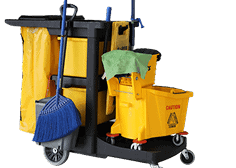
How to improve warehouse safety often comes back to simple controls done well every day. Trash should be removed before it builds up around workstations. Stretch wrap, strapping, broken pallets, and packaging scraps should not be allowed to collect in aisles. Dust, residue, and liquid spills should be addressed with the right cleaning tools and absorbents, not whatever happens to be nearby.
This is also where product choice matters. Using the wrong absorbent, the wrong floor cleaner, or the wrong matting can leave residue, spread contamination, or create another hazard. Facilities save money when they buy products that match the surface, the spill type, and the level of traffic instead of relying on trial and error.
Train for decisions, not just rules
Warehouse safety training often fails for one reason: it is too general. Employees hear broad instructions about lifting, reporting hazards, or wearing PPE, but they are not trained for the specific decisions they make under pressure.
Better training is tied to the actual layout and workflow of the building. Show employees where incidents are most likely to happen. Walk new hires through traffic routes, spill response stations, eyewash areas, emergency exits, and high-risk storage zones. Explain what to do when the expected process breaks down, not just when everything goes right.
Supervisors also need a practical role. If they only mention safety after an incident, teams learn that production gets attention and prevention does not. Short, regular coaching works better than occasional lectures.
It also helps to treat near misses as useful data. A near miss is not proof that the system worked. It is a warning that the system was tested and almost failed.
PPE only works when it is available and accepted
Most managers already know where PPE is required. The harder question is whether employees can get the right gear quickly, whether it fits properly, and whether it makes sense for the work being done.
If gloves tear too easily, workers stop trusting them. If eye protection fogs up in a hot receiving area, compliance drops. If masks, vests, or other gear are stored too far from the point of use, people skip steps. These are operational issues, not just discipline issues.
The solution is part policy and part supply management. Keep PPE stocked where it is needed. Standardize where possible so employees are not guessing between multiple options. Reassess products when crews complain, because discomfort often points to a mismatch between the item and the job.
For many South Florida facilities, heat and humidity make this especially relevant. A product that looks fine in a catalog may perform very differently in an active warehouse environment.
Storage practices matter more than most teams admit
Unsafe storage creates slow-moving risk. It does not always cause an immediate incident, so it gets tolerated longer than it should. Overhanging product, damaged pallets, overloaded racks, and inconsistent stacking methods are all common examples.
Improving safety here means setting clear storage standards and enforcing them consistently. Heavier items should be placed where handling is controlled and stable. Damaged pallets should be removed from circulation quickly. Rack areas should stay labeled and visible so teams are not improvising placement during busy periods.
This is another area where speed creates trade-offs. When a facility is under pressure, workers may stage product wherever there is open space. That can solve a short-term congestion problem while creating a larger fall or access hazard. Managers need a plan for overflow and temporary staging before volume spikes happen.
How to improve warehouse safety with better response tools
Even a well-run warehouse will deal with spills, leaks, and unplanned hazards. The difference between a minor event and a reportable incident often comes down to response time and preparation.
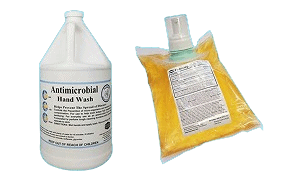
Spill kits should match the materials in the building. Wet floor signs need to be easy to access. Absorbents should be placed where leaks are most likely, not locked away in a remote closet. First aid supplies, eye protection, and sanitation stations should be checked routinely, not assumed to be ready.
Facility leaders sometimes buy emergency supplies once and stop there. In practice, these items need follow-up. Are they visible, stocked, and understood by the people who would need them on a busy shift? If not, they are not really part of your safety program.
For operations that want less guesswork, working with a supplier that helps evaluate usage, placement, and product fit can prevent waste while improving readiness. That is often more useful than simply ordering more items.
Make safety easier to maintain
The most effective warehouse safety improvements are the ones your team can sustain. If a control depends on constant reminders, workarounds, or extra effort, it may not hold up during peak activity.
That is why the best safety systems are practical. Markings are clear. Supplies are where they should be. Cleanup tools fit the messes that actually happen. Signs are durable enough to stay legible. Training reflects the floor, not just the handbook.
For warehouse operators in Miami and surrounding areas, that hands-on approach tends to outperform complicated programs. A well-run building is not perfect. It is consistent. Hazards get addressed before they become normal, and support products are chosen to solve real problems instead of filling shelves.
If you want a safer warehouse, start with what your team sees, touches, avoids, and works around every day. That is usually where the next improvement is waiting.
Need help choosing the right supplies?
VICTOR FERIA helps Miami-Dade and Broward businesses choose the right janitorial, paper, hygiene, chemical, disinfectant, glove, and safety products.
Request a Free Supply ReviewRelated resources for Miami-Dade and Broward businesses
Facility Supply FAQ
What is included in a Free Supply Review?
A review of current products, usage, waste, safety needs, reorder issues, and product-fit recommendations.
Do you serve both Miami-Dade and Broward?
Yes. VICTOR FERIA serves businesses across Miami-Dade and Broward with janitorial, paper, hygiene, chemical, glove, and safety supply recommendations.
Can you help choose paper products, disinfectants, gloves, or safety supplies?
Yes. Recommendations are based on the facility, task, traffic level, staff needs, and budget.
How do I ask for help?
Use the Free Supply Review button or contact VICTOR FERIA through the Contact Us page.