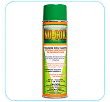
A degreaser that looks effective during a quick test can create expensive problems after repeated use: dull floors, slippery residue, damaged painted surfaces, or crews using twice the chemical they need. This Miami degreaser review is written for Miami-Dade and Broward County facility teams that need to evaluate a commercial product for real operating conditions, not a one-time demonstration.
In South Florida, heat and humidity make soils cling longer and dry differently on concrete, coated floors, loading areas, equipment exteriors, and restroom surfaces. The right choice depends on the soil, the surface, the cleaning method, and whether your team can consistently follow the dilution and dwell-time instructions.
What a Miami degreaser review should measure
A useful review starts with the job, not the label claim. “Heavy-duty” is not a complete specification. A warehouse supervisor may need to remove forklift tire marks and tracked-in grime from sealed concrete. A building service contractor may need a low-odor product for elevator lobbies and common areas. A maintenance team in Doral or Hialeah may need a product that cuts greasy buildup around mechanical rooms without leaving a rinse burden.
Review cleaning performance against the actual soil. Petroleum-based grime, soap scum, cooking oil residue in a facility break area, adhesive marks, and general black soil do not respond the same way. A stronger alkaline formula may be appropriate for one assignment and inappropriate for another, particularly on aluminum, painted finishes, sensitive flooring, or surfaces exposed to occupants.
The key questions are straightforward: Does the product remove the soil at its recommended dilution? How much agitation is required? Does it leave residue after rinsing or mopping? Does it create an odor concern in occupied space? And can the crew use it safely every shift?
Miami degreaser review: dilution and labor matter
Concentrated degreasers are often evaluated only by container price. That is a purchasing mistake. The meaningful cost is the ready-to-use cost per usable gallon, plus the labor required to apply, agitate, rinse, and correct mistakes.
For example, a product that dilutes at 1 ounce per gallon may appear economical, but only if the soil releases within a practical dwell time. If employees routinely over-pour because measuring is inconvenient, the chemical cost climbs and residue issues become more likely. Conversely, a more concentrated formula may not be the right answer if a technician needs a simple, ready-to-use option for spot cleaning.
I recommend testing each candidate on a limited, representative area. Use the same mop, scrubber, microfiber tool, or pressure-washing process your facility uses. Record the dilution, dwell time, number of passes, rinse requirement, and result after the surface dries. This turns a subjective review into a repeatable operating decision.
For multi-site property managers in Coral Gables, Fort Lauderdale, or Hollywood, standardized dilution matters even more. A product that performs only when mixed by the most experienced technician is not necessarily a practical system for every location.
Surface compatibility is not a minor detail
Commercial degreasers can be alkaline, solvent-based, butyl-based, citrus-based, enzyme-based, or formulated with other surfactant systems. The chemistry affects both cleaning power and material compatibility. A label and Safety Data Sheet should guide the decision, especially when the product will touch finished floors, metal, glass, painted walls, rubber, vinyl, or sealed concrete.
Strong chemistry can solve a difficult soil problem, but it can also etch, discolor, strip finish, or shorten the life of a surface if selected carelessly. This is why a test patch is necessary before broad application. The test should be allowed to dry completely, since haze, tackiness, and color change are not always visible while the surface is wet.
Floor care deserves special attention. Degreaser residue can interfere with floor finish adhesion and can create a slip concern if it is not thoroughly removed. In humid Miami conditions, wet cleaning areas can also stay damp longer. That increases the need for controlled application, adequate rinsing, wet-floor signage, and a documented procedure for reopening an area safely.
Safety and OSHA considerations for facility teams
A degreaser review should include the work process, not just chemical results. Confirm that the product’s Safety Data Sheet is available to employees and that secondary spray bottles are labeled correctly. OSHA hazard communication requirements apply to chemical handling, and a good product choice supports a safer process only when staff know how to use it.
Look at the recommended personal protective equipment. Some assignments call for gloves and eye protection, particularly when mixing concentrates, working overhead, or using spray equipment. Ventilation also matters. A low-odor product can be helpful in offices, medical and dental facilities, schools, and occupied commercial buildings, but low odor does not mean that normal handling precautions can be skipped.
Avoid transferring a chemical into an unmarked container or mixing it with other cleaners. Degreaser should never be combined with disinfectants, bleach products, or acids unless the manufacturer specifically directs that process. The objective is consistent cleaning with fewer variables, not a stronger mixture created in the janitor closet.
How South Florida conditions change the decision
South Florida facility maintenance has a few predictable pressure points. Humidity slows drying, rain tracks additional soil into entrances, and hurricane season can leave warehouses and properties dealing with damp debris, oily runoff, and accelerated cleaning schedules. A degreaser should fit into an overall cleaning program that includes appropriate floor care, can liners, hand hygiene, and safety supplies.
For loading docks and industrial operations in Miramar or Broward County, consider whether the product can be used with the equipment already on site. A formula that works in a mop-and-bucket application may not be suitable for an automatic scrubber or a pressure-washing workflow. Check foam level, rinse requirements, and wastewater handling procedures before making it part of the routine.
For interior commercial spaces, prioritize controlled use over maximum strength. Using the correct dilution, allowing enough dwell time, and removing the released soil usually produces a cleaner result than repeatedly applying an overly aggressive chemical. This also helps protect finishes and reduces the chance of complaints from tenants, employees, or visitors.
A practical review process before a larger order
Before standardizing a degreaser, have the cleaning lead test it where the problem actually occurs. Document the surface and soil, photograph the area before and after if useful, and run the test on more than one day. A single result can be misleading if the soil load or humidity changes.
Evaluate whether the package and dispensing approach fit the team. Concentrates need dependable measuring tools or a dispensing system. Ready-to-use products reduce mixing errors but can require more storage and generate more containers. Neither format is automatically preferable. The operational fit determines the value.
Victor Feria works with commercial facilities on product-fit questions, including ARMCHEM International chemical options. The purpose of that review is to match the product, dilution, and safety process to the work your team performs, rather than treating every soil problem as the same.
Frequently asked questions
Is a stronger degreaser always more effective?
No. Stronger chemistry can damage finishes, increase rinse requirements, or create unnecessary safety concerns. The appropriate product is the one that removes the specific soil at a workable dilution while remaining compatible with the surface and cleaning process.
Can commercial degreaser be used on finished floors?
Only if the product label permits it and a test patch confirms compatibility. Degreasers can dull or weaken some floor finishes. Follow dilution and rinsing directions, keep the area marked as wet, and inspect the surface after it dries.
What should Miami-Dade facilities check before switching products?
Review the Safety Data Sheet, dilution ratio, surface compatibility, required PPE, odor, rinse requirements, and available storage. Then conduct a controlled test using the same tools and labor process used at the facility.
Does humidity affect degreaser performance?
Humidity can slow drying and extend the time a cleaned surface remains wet. It may not change the chemistry itself, but it affects safe reopening times, residue inspection, and the need for ventilation and wet-floor controls.
A disciplined degreaser review protects more than a cleaning budget. It helps your crews work with clearer instructions, protects the surfaces your facility has already invested in, and keeps routine maintenance from becoming a recurring corrective task.
Call (786) 919-0195 or email victor@victorferia.com to schedule a free facility supply review.
Need help choosing the right supplies?
VICTOR FERIA helps Miami-Dade and Broward businesses choose the right janitorial, paper, hygiene, chemical, disinfectant, glove, and safety products.
Request a Free Supply ReviewRelated resources for Miami-Dade and Broward businesses
Facility Supply FAQ
What is included in a Free Supply Review?
A review of current products, usage, waste, safety needs, reorder issues, and product-fit recommendations.
Do you serve both Miami-Dade and Broward?
Yes. VICTOR FERIA serves businesses across Miami-Dade and Broward with janitorial, paper, hygiene, chemical, glove, and safety supply recommendations.
Can you help choose paper products, disinfectants, gloves, or safety supplies?
Yes. Recommendations are based on the facility, task, traffic level, staff needs, and budget.
How do I ask for help?
Use the Free Supply Review button or contact VICTOR FERIA through the Contact Us page.