A restroom can look clean at 8:00 a.m. and still create complaints by noon when soap dispensers run empty, paper towels clog, or humidity leaves a stale odor behind. That is why Miami hygiene trends are less about flashy products and more about keeping high-use commercial spaces consistently clean, stocked, safe, and easy to manage. For facility teams in Miami-Dade and Broward County, heat, moisture, heavy visitor traffic, and hurricane-season planning all affect what belongs on the supply list.
I see the same operational concern across offices in Coral Gables, warehouses in Doral, medical and dental facilities, multi-family properties, schools, and building service contractors: purchasing decisions need to reduce labor pressure without creating a new maintenance problem. The right approach depends on the facility, its traffic patterns, custodial schedule, and storage capacity.
Miami Hygiene Trends Are Moving Toward Consistency
The most useful hygiene trend is not a single dispenser or chemical. It is a more deliberate supply program. Facility managers are moving away from buying products only after an emergency shortage and toward matching each consumable to the actual use area.
For example, a low-traffic executive restroom may work well with a controlled sheet paper towel dispenser and foam hand soap. A busy warehouse washroom may need higher-capacity towel rolls, a durable manual dispenser, and heavy-duty can liners that will not fail when waste is dense or damp. The product category may be the same, but the operational requirement is different.
This change matters in South Florida because a missed replenishment cycle becomes more visible in warm, humid conditions. Overflowing waste, wet floors, and empty sanitizer stations are not minor presentation issues. They affect occupant confidence, custodial productivity, slip-and-fall exposure, and the facility’s overall standard of care.
A practical supply review starts with usage, not a catalog. Count restroom fixtures, identify peak occupancy periods, note the current dispenser types, and ask where crews lose time. That information often reveals whether the issue is product quality, incorrect sizing, inconsistent ordering, or a dispenser system that no longer fits the building.
Touchless Restrooms Need a Maintenance Plan
Touchless restroom supplies remain a priority for many Miami facilities, particularly medical offices, professional buildings, schools, hospitality properties, and shared workspaces. Touch-free soap, towel, and sanitizer dispensing can reduce contact points and create a more orderly user experience. But touchless equipment is not automatically the right answer in every location.
Battery-powered units require scheduled checks. Sensor placement matters. Refill formats must be available consistently. If a facility installs multiple dispenser models over time, the custodial closet can become crowded with incompatible refills and replacement parts. That complexity can erase the labor savings the equipment was meant to create.
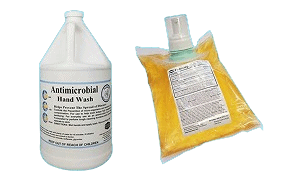
For many properties, foam soap dispensers are a sensible middle ground. Foam provides a measured dose, helps control overuse, and creates a familiar handwashing experience. In high-volume restrooms, the key is choosing a dispenser and refill combination that custodians can service quickly during regular rounds.
Paper towel selection deserves the same attention. Facilities sometimes choose a low-cost roll that creates excess use, tearing, or dispensing jams. A more appropriate roll and dispenser pairing can reduce refill frequency and keep counters and floors drier. In Miami-Dade buildings with frequent visitor turnover, dry floors are a hygiene issue as well as a safety issue.
Disinfection Is Becoming More Targeted
Routine disinfection is still expected, but the trend is toward using the right chemical for the right surface and task. Overusing a harsh product can damage finishes, leave residue, create strong odors, or add unnecessary labor. Underusing the appropriate disinfectant in a high-touch area can leave staff and visitors questioning whether the space is being maintained properly.
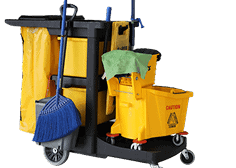
A sound cleaning program separates routine soil removal from disinfection. Neutral floor cleaners, restroom cleaners, glass cleaners, and general-purpose products each have a role. Disinfectants should be selected based on the surfaces being treated, the required contact time, worker training, and label directions. Custodial crews should not have to guess whether a product is appropriate for a desk surface, restroom fixture, elevator button, or warehouse break area.
OSHA compliance also enters the conversation when employees handle concentrated chemicals or work around bodily fluid cleanup. Clearly labeled secondary containers, safety data sheet access, gloves suited to the task, and wet-floor signs are basic controls. They support employees while reducing avoidable risk for property managers and operations supervisors.
In humid South Florida facilities, fragrance can be tempting as a shortcut. It is not a substitute for cleaning the source of an odor. If a restroom, trash room, hallway, or storage area smells persistently stale, examine moisture, drain conditions, waste removal frequency, and cleaning methods before adding odor-control products.
Waste and Odor Control Are Part of Hygiene
Can liners rarely receive attention until one leaks or tears during a busy shift. Yet liner selection directly affects labor, sanitation, and odor control. A liner that is too thin for wet waste can fail before the janitorial team reaches the dumpster. A liner that is oversized for the receptacle wastes material and can make liner changes slower.
Miami facilities are increasingly matching liners by receptacle size, waste type, and removal frequency. Restrooms, office workstations, maintenance areas, loading zones, and common areas may require different gauges or resin blends. There is no advantage in using one liner specification everywhere if it causes failures in the locations that carry heavier loads.
Odor control should follow the same principle. Deodorizers, air-care dispensers, and odor-neutralizing products can help maintain shared spaces, but they work more effectively after the underlying source has been addressed. In Fort Lauderdale and Hollywood properties, warm loading areas, trash rooms, and damp mop storage are common places to inspect when odor complaints repeat.
Supply Resilience Matters During Hurricane Season
Hurricane season has made supply continuity a practical hygiene trend, not merely an emergency-planning topic. After severe weather, facilities may need more hand soap, sanitizer, paper products, disinfectants, trash liners, gloves, caution signs, and odor-control products in a short period. Water intrusion and cleanup work can change normal consumption quickly.
The goal is not to overstock every item. Excess inventory ties up storage space and can lead to damaged cartons in humid utility rooms. Instead, identify the supplies that would interrupt operations if unavailable for several days. Keep a reasonable reserve of those essentials, rotate stock, and store cartons off the floor in a dry area.
For warehouses in Hialeah, Miramar, and Doral, include safety supplies in this review. Gloves, eyewear, caution signs, absorbent materials, and appropriate cleaning chemicals may be needed when crews are dealing with wet floors, debris, or post-storm cleanup. Planning the quantities and storage location before an event is far easier than locating supplies after demand increases.
How Facility Managers Can Apply These Trends
The most effective changes usually begin with a walkthrough. Review restrooms, entrance areas, elevators, break rooms, janitorial closets, waste collection points, and high-touch surfaces with the people who service them. Ask what runs out first, what breaks, what gets wasted, and what generates the most complaints.
Then simplify where possible. Standardizing a manageable number of dispenser systems, paper formats, soap refills, liner sizes, and cleaning chemicals can make purchasing and training easier. Standardization should not mean forcing one product into every environment. It means reducing unnecessary variation while preserving the right fit for each use area.
I also recommend reviewing usage after any significant change in occupancy, tenant mix, cleaning schedule, or building operations. A property that added shifts, expanded common areas, or moved to a different custodial contractor may have supply needs that no longer match last year’s order history.
Frequently Asked Questions
What hygiene supplies should Miami offices monitor most closely?
Hand soap, paper towels, toilet tissue, sanitizer, can liners, disinfectants, and wet-floor signs should be reviewed regularly. In high-traffic offices, dispenser refill rates and waste removal frequency often reveal issues before occupants begin reporting them.
Are touchless dispensers worth it for a commercial restroom?
It depends on traffic volume, maintenance capacity, and refill availability. Touchless dispensers can improve the user experience, but they need battery checks, compatible refills, and prompt service when sensors or housings are damaged.
How does South Florida humidity affect facility hygiene?
Humidity can intensify odors, slow drying, encourage dampness in trash and mop areas, and make wet-floor control more urgent. Proper ventilation, frequent waste removal, dry storage, and source-focused cleaning are more effective than fragrance alone.
How often should a facility review janitorial supply usage?
Review usage quarterly and after operational changes such as new tenants, increased shifts, weather events, or a custodial contract change. A short review can identify overuse, stockouts, unsuitable products, and opportunities to simplify replenishment.
Good hygiene programs make daily operations quieter. Restrooms stay stocked, crews spend less time correcting preventable problems, and building occupants notice a facility that feels cared for without having to think about why. Call (786) 919-0195 or email victor@victorferia.com to schedule a free facility supply review.
Need help choosing the right supplies?
VICTOR FERIA helps Miami-Dade and Broward businesses choose the right janitorial, paper, hygiene, chemical, disinfectant, glove, and safety products.
Request a Free Supply ReviewRelated resources for Miami-Dade and Broward businesses
Facility Supply FAQ
What is included in a Free Supply Review?
A review of current products, usage, waste, safety needs, reorder issues, and product-fit recommendations.
Do you serve both Miami-Dade and Broward?
Yes. VICTOR FERIA serves businesses across Miami-Dade and Broward with janitorial, paper, hygiene, chemical, glove, and safety supply recommendations.
Can you help choose paper products, disinfectants, gloves, or safety supplies?
Yes. Recommendations are based on the facility, task, traffic level, staff needs, and budget.
How do I ask for help?
Use the Free Supply Review button or contact VICTOR FERIA through the Contact Us page.