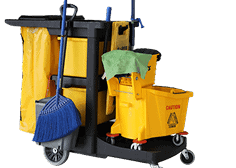
A full soap dispenser used to be enough to signal a clean facility. Not anymore. For office managers, property teams, medical practices, restaurants, and warehouse operators in Miami-Dade and Broward, workplace hygiene trends now affect far more than appearances. They shape labor efficiency, product spend, employee confidence, visitor perception, and in some cases, compliance.
The biggest shift is simple: buyers are asking better questions. Instead of ordering the same paper goods, chemicals, and restroom supplies every quarter, they are looking more closely at product performance, dispenser reliability, refill frequency, odor control, and whether their teams are using the right item for the job. That change is healthy. It cuts waste, reduces trial and error, and usually leads to a cleaner, safer operation.
Why workplace hygiene trends are changing
A few pressures are driving the market at the same time. Labor is expensive, so facilities need products that save time rather than create extra steps. Occupants are more aware of cleanliness than they were a few years ago, which means restrooms, breakrooms, lobbies, and shared surfaces get noticed quickly. Regulations and inspection expectations remain a factor, especially in medical, food service, and industrial environments. On top of that, many businesses are trying to control costs without lowering standards.
That mix has changed how smart buyers evaluate hygiene programs. The conversation is less about buying a case of something cheap and more about getting the correct system in place. A low-cost towel that runs out faster, clogs dispensers, or leaves a mess on the floor often costs more in the long run. The same goes for harsh chemicals used where a safer or more targeted product would do the job better.
Trend 1: Smarter dispensing systems
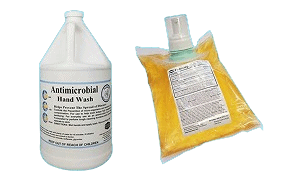
One of the clearest workplace hygiene trends is the move away from loose, inconsistent dispensing and toward controlled systems. Facility managers are paying more attention to how soap, sanitizer, towels, and tissue are dispensed because overuse adds up fast. A dispenser that meters the right amount can reduce consumption without making the user experience worse.
This matters most in high-traffic settings like office buildings, medical offices, restaurants, and schools. If a dispenser is unreliable, people notice it immediately. If it is difficult to refill, staff lose time. If it leaks or jams, the area looks poorly managed even when it has been serviced.
There is a trade-off here. Not every facility needs the most advanced touch-free unit in every room. In some spaces, a durable manual dispenser is the better value. The right choice depends on traffic, maintenance capacity, theft risk, and the kind of product being dispensed.
Trend 2: Product selection based on task, not habit
A common problem in commercial facilities is using one cleaner for everything. It sounds efficient, but it usually creates poor results somewhere. Glass gets streaky, floors build residue, restrooms keep odor, or disinfectants are used incorrectly.
A better approach is matching products to surfaces, soils, and frequencies. That sounds obvious, yet many buyers are still dealing with inherited purchasing habits rather than current needs. A warehouse with grease, dust, and spill risk needs a different sanitation plan than a dental office. A property management team maintaining common-area restrooms has different priorities than a restaurant operator dealing with front-of-house perception and back-of-house sanitation.
This is where consultative support matters. The current trend is not toward more chemicals. It is toward fewer mistakes. In practice, that often means choosing a tighter lineup of products that each serve a clear purpose, training staff to use them correctly, and avoiding overlap that confuses crews and wastes budget.
Trend 3: Hygiene programs that include odor control
Clean and fresh are not always the same thing. One reason odor control is getting more attention is that occupants judge a space within seconds. In restrooms, trash rooms, lobbies, breakrooms, and shared work areas, odor can undermine the perception of cleanliness even when surfaces have been disinfected properly.
That has pushed odor-control products from afterthought to standard operating item in many facilities. But this trend is not just about adding fragrance. Better programs address the source of odor, whether that is moisture, waste handling, drains, fabrics, or airflow. If the only response is spraying over the problem, the result is usually short-lived.
For Broward and Miami-Dade properties with heavy humidity and high foot traffic, this matters even more. Materials break down faster, moisture lingers longer, and enclosed spaces can develop recurring odor issues. A more effective odor-control plan often includes the right trash liners, cleaning chemistry, restroom maintenance schedule, and dispenser placement rather than a single product swap.
Trend 4: Compliance and documentation are part of hygiene now
Another of the major workplace hygiene trends is that sanitation decisions are being viewed through a compliance lens. In healthcare-adjacent spaces, food service, schools, and industrial sites, buyers are asking more questions about labels, use instructions, PPE requirements, and whether products align with the environment where they are used.
This is a good trend because it pushes facilities to be more deliberate. The wrong disinfectant dwell time, the wrong absorbent for a spill, or the wrong signage around a wet floor can create unnecessary risk. Buyers do not need more complexity, but they do need clarity.
In real operations, compliance does not come from buying a premium product and hoping for the best. It comes from selecting products that staff can actually use correctly, then supporting those choices with proper dispensers, storage, and follow-up. That is especially true in businesses with turnover, multiple shifts, or several locations.
Trend 5: Less waste, tighter inventories
Cost control is shaping hygiene decisions in a more disciplined way. Instead of simply buying cheaper alternatives, many businesses are trying to reduce overconsumption, emergency reorders, damaged product, and excess inventory sitting in storage rooms.
That is a healthier way to save money because it improves the operation rather than weakening it. Better forecasting, standardized product selections, and more durable consumables can all help. So can reducing the number of similar items spread across departments.
For cleaning companies and property managers, this trend has a direct operational payoff. If every account uses a different towel, liner, soap, and disinfectant without a reason, purchasing becomes harder and field teams make mistakes. Standardization, when done thoughtfully, improves consistency. Still, it should not be rigid. A class A office tower and a light industrial site should not necessarily run the exact same setup.
Trend 6: Workplace hygiene is now tied to safety
The line between hygiene and safety has become thinner. Buyers are increasingly thinking about cleaning supplies, dispensers, liners, signage, PPE, absorbents, and traffic-control items as part of one workplace readiness plan rather than separate categories.
That makes sense in busy facilities. A leaking dispenser can create a slip hazard. A missing caution sign can turn routine floor care into a liability issue. Poor hand hygiene support in a breakroom can affect employee health. In warehouse and workshop settings, spill response and sanitation often overlap.
This trend is especially relevant for operations managers who are tired of chasing multiple vendors for connected needs. The practical question is no longer just, What product do we use? It is, What setup helps this area stay clean, safe, and easier to maintain every day?
Trend 7: Buyers want guidance, not just supply
Perhaps the most meaningful shift is that experienced buyers are looking for fewer guesses. They want recommendations based on traffic levels, facility type, dispenser compatibility, maintenance realities, and budget. They want follow-through when something is not working. They want a partner who can say, this product is right for your space, and this one is not.
That is especially valuable when managing multiple properties or mixed-use facilities. A product that works well in one account may be wrong for another. The trend is not toward one-size-fits-all hygiene. It is toward better-fit hygiene.
That is why supplier relationships are changing. A distributor that simply takes orders may still be useful for basic replenishment, but facilities with real performance expectations usually need more than a price sheet. They need someone who can help reduce waste, improve restocking, install or replace dispensers properly, and keep the program aligned with the way the building actually operates. That is where a hands-on local partner like Victor Feria can make a measurable difference for South Florida businesses.
What buyers should do next
If your current hygiene program feels patched together, start by reviewing where the friction is. Are restrooms running out too quickly? Are crews using too many overlapping chemicals? Are odors recurring? Are dispensers unreliable? Are safety items being handled separately from janitorial decisions when they should be coordinated?
The best response is usually not a full reset. It is a targeted adjustment. In some facilities, one dispenser change solves a consumption problem. In others, correcting product selection or consolidating SKUs has the biggest impact. In higher-risk environments, the priority may be compliance support and safer use practices.
Good hygiene is not about chasing every new product on the market. It is about building a program that works under real conditions, with the staff, budget, and traffic your facility actually has. When that happens, cleanliness becomes easier to maintain, waste comes down, and fewer daily problems land on your desk.
Need help choosing the right supplies?
VICTOR FERIA helps Miami-Dade and Broward businesses choose the right janitorial, paper, hygiene, chemical, disinfectant, glove, and safety products.
Request a Free Supply ReviewRelated resources for Miami-Dade and Broward businesses
Facility Supply FAQ
What is included in a Free Supply Review?
A review of current products, usage, waste, safety needs, reorder issues, and product-fit recommendations.
Do you serve both Miami-Dade and Broward?
Yes. VICTOR FERIA serves businesses across Miami-Dade and Broward with janitorial, paper, hygiene, chemical, glove, and safety supply recommendations.
Can you help choose paper products, disinfectants, gloves, or safety supplies?
Yes. Recommendations are based on the facility, task, traffic level, staff needs, and budget.
How do I ask for help?
Use the Free Supply Review button or contact VICTOR FERIA through the Contact Us page.